Industry Bottleneck Addressed by Steel Manufacturer
Superelastic alloys are the core component of minimally invasive medical devices including heart stents and orthodontic wires, as they can recover their original shape after large deformation.
During minimally invasive procedures, stents are compressed to a small size for delivery, then expand automatically to support blood vessels, requiring the material to withstand significant deformation and fully recover its form. For 40 years, Nitinol has been the only material that can meet this performance requirement globally.
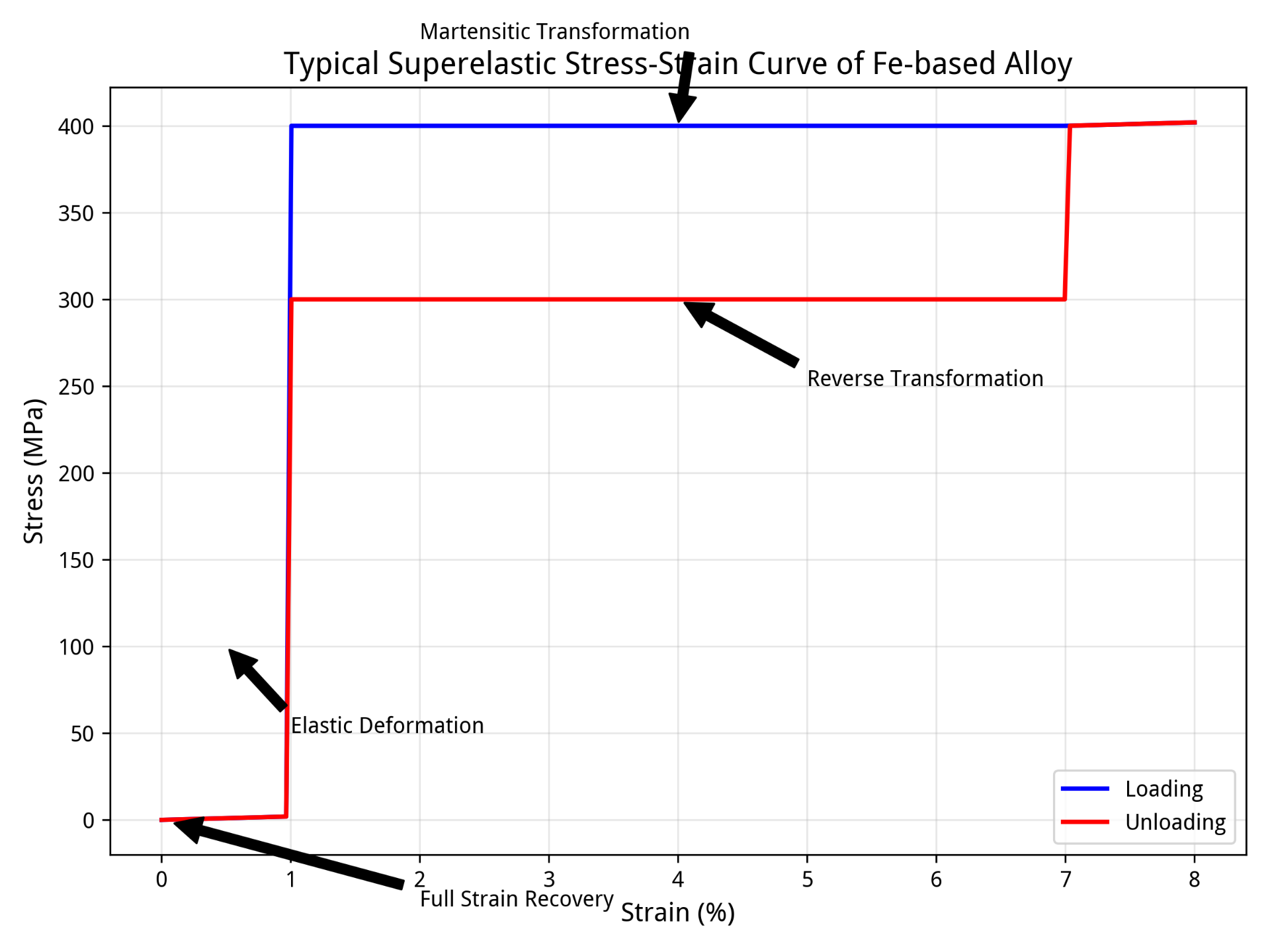
Nitinol is priced at over $28,000 per ton, 10 times the cost of ordinary steel, which has driven up the cost of related medical devices. Iron-based alloys have long been considered a potential low-cost alternative, as their raw material cost is only 1/5 of Nitinol's. However, traditional iron-based superelastic alloys could only achieve a strain recovery rate of less than 2%, far below the 5% minimum required for medical devices such as stents and orthodontic wires, preventing their application in the medical field.
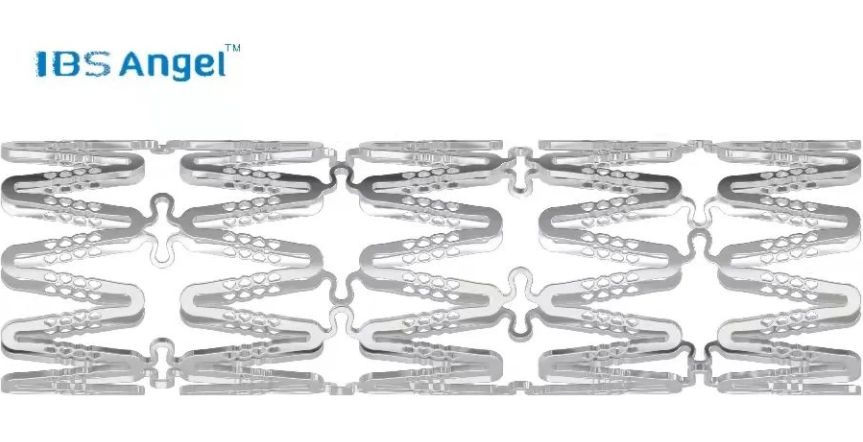
Note: The image shows an existing iron-based medical stent product. The new superelastic alloy developed this time will further upgrade the performance of such products.
Hesteel's research team, after 3 years of development, has achieved full-chain innovation from material composition to production process. The resulting new iron-based alloy reaches a strain recovery rate of 7.1%, which is close to Nitinol's 8% performance, meeting the performance requirements for medical devices, according to the team's test data.
Next Steps for Commercialization
As of now, the research has completed laboratory development and obtained patent authorization. The team noted that there are still multiple steps before the material can be used in clinical treatment:
- Completion of specialized biocompatibility tests, to verify the material's corrosion rate and cytotoxicity in the human body, to ensure safety after implantation.
- Cooperation with clinical teams from top-tier hospitals to conduct animal experiments, to verify the material's in vivo performance.
- Completion of clinical trials and acquisition of medical device registration certification, before mass production and market launch.
The R&D team stated that they have signed a preliminary cooperation intention with a domestic medical device enterprise. It is expected that related stent and orthodontic wire products will enter clinical application in 2 to 3 years at the earliest.
"For a long time, our company has produced steel for construction and automotive industries. This time, we have applied our material research capabilities to the medical field, hoping to bring the cost advantage of traditional steel materials to the medical sector, so that more patients can access high-end medical devices," said the person in charge of Hesteel's R&D team.
Medical-Industrial Integration as a New Track for Steel Industry
This is not the first case of steel enterprises entering the medical field. Previously, Biotyx Medical's iron-based biodegradable stent became the first of its kind globally to be used in pediatric pulmonary vascular disease treatment, solving the issue that children's blood vessels cannot adapt to permanent stents. In addition, the high-nitrogen nickel-free stainless steel stent developed by the Institute of Metal Research, Chinese Academy of Sciences, has also been approved for marketing, addressing the treatment needs of nickel-allergic patients.
In recent years, China has been promoting medical-industrial integration innovation, encouraging traditional manufacturing technologies to expand into the medical field. With advantages in large-scale material preparation and composition regulation, the steel industry has become an important R&D force for new medical materials.
Industry estimates show that if such iron-based medical alloys can achieve large-scale application, it could save patients more than $2.8 billion in treatment costs annually in the domestic vascular stent and orthodontic device market alone, while also promoting the full localization of China's medical devices.